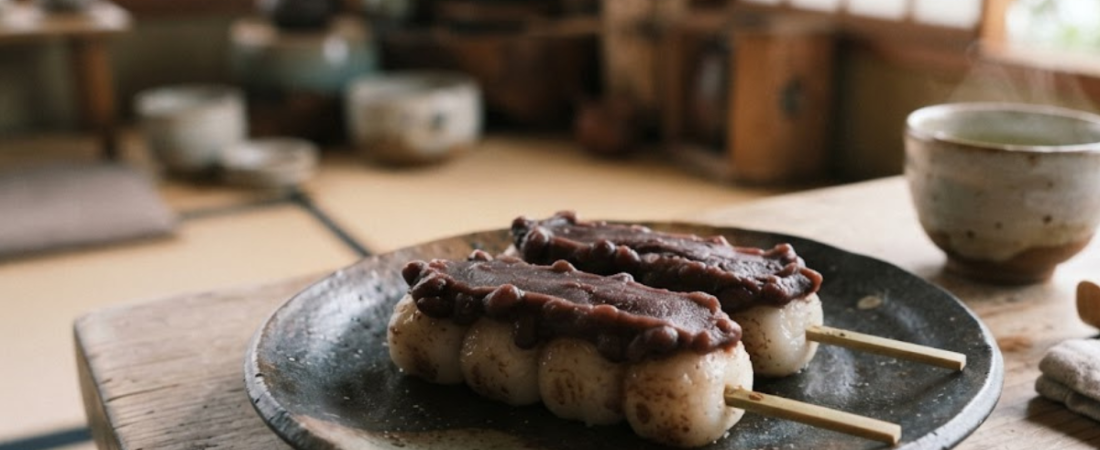
If you’ve been searching for anko dango near me, you’re probably craving one of Japan’s most beloved traditional desserts. Soft, chewy rice dumplings topped with sweet red bean paste offer a unique combination of texture and flavor that’s both comforting and satisfying. Whether you’ve discovered anko dango while traveling, through anime, or at a Japanese festival, finding an authentic version close to home can be an exciting culinary adventure.
In this guide, you’ll learn what anko dango is, where to find it, what to expect when ordering, and helpful tips for locating the best Japanese dessert shops in your area.
What Is Anko Dango?
Anko dango is a traditional Japanese sweet made from dango, small dumplings prepared with rice flour (usually mochiko or shiratamako), and topped or coated with anko, a sweet paste made from cooked adzuki beans and sugar.
The dumplings are usually served on a bamboo skewer containing three to five pieces.
Anko itself comes in two popular varieties:
- Koshian – A smooth, silky red bean paste.
- Tsubuan – A chunkier paste that contains whole or partially mashed adzuki beans.
Both are delicious, and the choice often comes down to personal preference.
Why Is Anko Dango So Popular?
Anko dango has remained a favorite Japanese dessert for centuries because it offers a balance of simple ingredients and delicate flavors.
People love it because it is:
- Soft and chewy.
- Naturally gluten-free when made with rice flour (though cross-contamination is possible).
- Moderately sweet compared to many Western desserts.
- Traditionally served fresh.
- Available year-round in Japan.
Its minimalist presentation also reflects the Japanese appreciation for seasonal and handcrafted sweets known as wagashi.
Where to Find Anko Dango Near Me
If you’re wondering where to buy anko dango near me, there are several places worth checking.
Japanese Bakeries
Authentic Japanese bakeries often prepare fresh dango daily or seasonally.
These shops typically offer:
- Anko dango
- Mitarashi dango
- Sakura mochi
- Daifuku
- Dorayaki
Freshly made dango usually has the best texture.
Japanese Grocery Stores
Many Japanese supermarkets carry packaged dango in their refrigerated dessert sections.
Look for stores that specialize in imported Japanese foods, as they often stock traditional sweets alongside snacks and beverages.
Asian Supermarkets
Larger Asian grocery stores sometimes carry frozen or refrigerated dango imported from Japan or produced locally.
Availability may vary depending on the season and store location.
Japanese Dessert Cafés
Specialty dessert cafés frequently feature traditional Japanese sweets on their menu.
Besides anko dango, you may also find:
- Matcha parfaits
- Mochi ice cream
- Taiyaki
- Warabi mochi
- Kakigori
Cultural Festivals
Japanese cultural festivals, cherry blossom celebrations, and community events often include vendors serving freshly grilled or handmade dango.
These events are a great opportunity to try authentic versions while experiencing Japanese culture.
What Does Anko Dango Taste Like?
If you’ve never tried it before, you might wonder what makes it so special.
The flavor combines:
- Mildly sweet rice dumplings
- Earthy adzuki bean paste
- Soft, chewy texture
- Delicate sweetness without being overly sugary
Unlike cakes or pastries, anko dango emphasizes subtle flavors rather than rich frosting or heavy fillings.
Different Types of Dango You May Find
While searching for anko dango near me, you may discover several other popular varieties.
Mitarashi Dango
Covered with a sweet soy sauce glaze that is slightly salty and caramelized.
Sanshoku Dango
Three colorful dumplings—typically pink, white, and green—often enjoyed during spring festivals.
Kinako Dango
Coated with roasted soybean flour and sometimes lightly sweetened.
Goma Dango
Finished with sesame seeds or sesame paste for a nutty flavor.
Trying different varieties is a fun way to experience the diversity of Japanese sweets.
Tips for Choosing the Best Anko Dango
Not all dango is created equal.
Here are a few things to look for:
- Fresh, soft dumplings with a chewy texture.
- Smooth or chunky anko made from quality adzuki beans.
- Minimal artificial coloring or preservatives.
- Preparation on the same day whenever possible.
- Authentic Japanese ingredients.
Freshly prepared dango generally offers the best taste and texture.
Can You Make Anko Dango at Home?
Absolutely! Making anko dango at home is easier than many people expect.
Basic ingredients include:
- Rice flour
- Water
- Sugar
- Sweet red bean paste (anko)
The dumplings are formed into small balls, boiled until they float, cooled briefly, and then topped with prepared anko.
Many Asian grocery stores sell ready-made anko, making homemade dango even simpler.
How to Store Anko Dango
Fresh dango tastes best on the day it’s made, but proper storage can help preserve its quality.
For best results:
- Refrigerate only if necessary, as refrigeration may firm up the rice dumplings.
- Consume within one to two days.
- Store in an airtight container.
- Allow refrigerated dango to return to room temperature before serving, if appropriate.
Frozen packaged dango can often be stored for several months according to the manufacturer’s instructions.
Frequently Asked Questions
What is anko dango?
Anko dango is a traditional Japanese dessert made from chewy rice flour dumplings topped with sweet red bean paste made from adzuki beans.
Where can I find anko dango near me?
You can often find anko dango at Japanese bakeries, Japanese grocery stores, Asian supermarkets, specialty dessert cafés, and Japanese cultural festivals.
Is anko dango gluten-free?
The dumplings are typically made with rice flour, which is naturally gluten-free. However, cross-contamination or additional ingredients may vary by manufacturer, so check product labels if you have dietary restrictions.
What does anko taste like?
Anko has a mildly sweet, earthy flavor with a smooth or slightly textured consistency depending on whether it is made as koshian or tsubuan.
Can I freeze anko dango?
Yes. Many packaged versions can be frozen, though texture may change slightly after thawing. Follow the storage instructions provided by the manufacturer.
Is anko dango vegan?
Traditional anko dango is often vegan because it is typically made with rice flour, adzuki beans, sugar, and water. However, recipes and commercial products can vary, so it’s always wise to check the ingredient list.
Conclusion
Searching for anko dango near me is more than just finding a dessert—it’s an opportunity to experience one of Japan’s most cherished traditional sweets. With its soft, chewy rice dumplings and gently sweet red bean paste, anko dango offers a unique flavor that stands apart from many Western desserts. Whether you visit a Japanese bakery, browse the refrigerated section of an Asian supermarket, or explore a local cultural festival, you’re likely to discover a delicious introduction to the world of wagashi.
If you can’t find fresh anko dango locally, consider making it at home using simple ingredients or trying other traditional Japanese desserts while you continue your search. Exploring authentic Japanese sweets is a rewarding way to appreciate the country’s rich culinary heritage, one bite at a time.