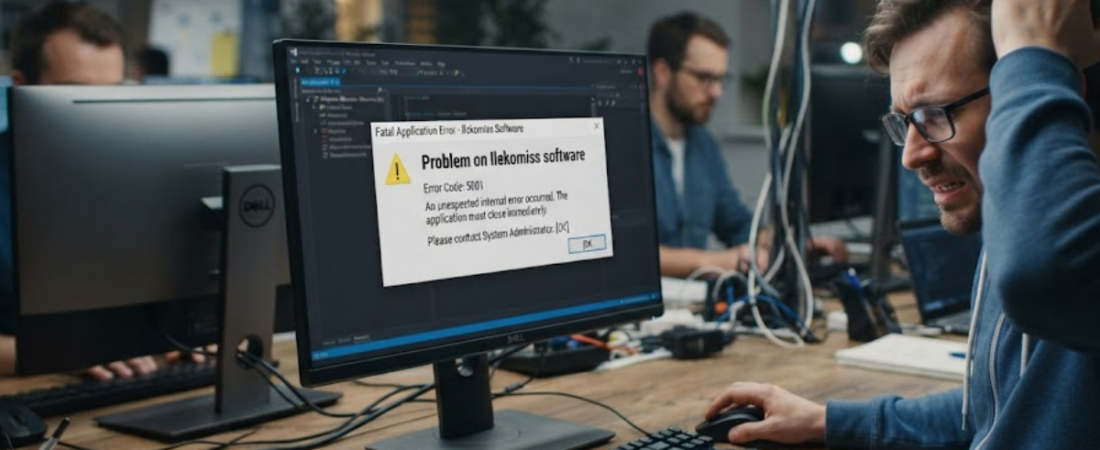
Experiencing a problem on Llekomiss software can be frustrating, especially when it interrupts your work or affects business productivity. Whether the software won’t launch, runs slowly, displays unexpected errors, or fails to save data, identifying the root cause is the first step toward resolving the issue.
One important point to understand is that there is currently very little publicly available information about Llekomiss software. Without official documentation from the software developer, it’s not possible to verify the platform’s features, supported systems, or known bugs. This guide focuses on proven troubleshooting techniques that apply to most business and desktop software applications, helping you diagnose and resolve common software problems safely and effectively.
Understanding the Problem on Llekomiss Software
A problem on Llekomiss software can refer to a wide range of issues, including:
- Installation failures
- Login problems
- Slow performance
- Unexpected crashes
- Error messages
- Missing data
- Synchronization issues
- Update failures
- Compatibility problems
The exact solution depends on the nature of the issue, your operating system, and how the software is deployed.
Common Causes of Llekomiss Software Problems
Many software issues have similar root causes, regardless of the application.
Outdated Software Version
Running an older version may lead to:
- Performance issues
- Security vulnerabilities
- Compatibility problems
- Missing features
Installing the latest official update often resolves known bugs.
System Compatibility Issues
Some software versions require specific operating systems or hardware specifications.
Potential problems include:
- Unsupported Windows versions
- Insufficient RAM
- Limited storage space
- Outdated graphics or device drivers
Always verify that your computer meets the software’s system requirements.
Corrupted Installation Files
Installation files can become damaged due to:
- Interrupted downloads
- Power outages during installation
- Antivirus interference
- Storage errors
Reinstalling the software from an official source may resolve these issues.
User Permission Problems
Business software often requires administrative privileges or specific user permissions.
Without the correct access, you may experience:
- Login failures
- Inability to save files
- Missing features
- Configuration errors
Consult your system administrator if your organization manages user permissions.
Network Connectivity Problems
If Llekomiss software relies on cloud services or remote servers, internet issues may prevent normal operation.
Check:
- Internet connection
- Firewall settings
- VPN configuration
- Proxy settings
How to Troubleshoot a Problem on Llekomiss Software
Before making major changes, work through these troubleshooting steps.
Step 1: Restart the Software
Many temporary issues disappear after completely closing and reopening the application.
Step 2: Restart Your Computer
A system restart clears temporary processes that may interfere with software performance.
Step 3: Check for Software Updates
Install any available updates provided through official channels.
Updates frequently include:
- Bug fixes
- Performance improvements
- Security patches
- Compatibility enhancements
Step 4: Verify Your Login Credentials
If you cannot access the software, confirm:
- Username
- Password
- Organization ID
- License status
Reset your password if necessary.
Step 5: Reinstall the Software
If problems continue:
- Uninstall the software.
- Restart your computer.
- Download a fresh installer from the official source.
- Install the latest version.
Be sure to back up important data before uninstalling, if applicable.
Performance Issues and How to Improve Them
Slow software doesn’t always indicate a software defect.
Try these optimization tips:
- Close unnecessary background applications.
- Free up disk space.
- Update device drivers.
- Restart your computer regularly.
- Scan for malware.
- Install operating system updates.
These steps often improve overall performance.
Preventing Future Software Problems
Taking preventive measures can reduce the likelihood of recurring issues.
Best practices include:
- Keep software updated.
- Perform regular data backups.
- Use strong passwords.
- Install updates from official sources only.
- Monitor available storage space.
- Train users on proper software usage.
- Maintain antivirus protection.
A proactive approach is often more effective than troubleshooting after problems occur.
When to Contact Technical Support
Some issues require assistance from the software vendor or your IT department.
Seek support if:
- The application won’t install.
- Data appears to be missing or corrupted.
- Error messages continue after troubleshooting.
- License activation fails.
- The software crashes repeatedly.
- Updates cannot be installed.
When contacting support, include:
- Software version
- Operating system
- Error messages
- Screenshots
- Steps that reproduce the problem
Providing detailed information can help resolve the issue more quickly.
Common Mistakes to Avoid
While troubleshooting, avoid actions that could make the problem worse.
These include:
- Downloading unofficial patches or cracked versions.
- Deleting unknown system files.
- Ignoring software updates.
- Disabling security software permanently.
- Skipping data backups before reinstalling.
Always rely on trusted sources and official support whenever possible.
Frequently Asked Questions
What is the most common problem on Llekomiss software?
Because publicly available documentation is limited, there is no verified list of common issues. In general, users of business software most often encounter installation problems, login errors, slow performance, update failures, or compatibility issues.
Why is Llekomiss software running slowly?
Slow performance may result from outdated software, insufficient system resources, background applications, limited storage space, or operating system issues.
How do I fix installation problems?
Restart your computer, verify that your system meets the software requirements, download a fresh installer from the official source, and try the installation again with the appropriate permissions.
Should I reinstall the software?
Reinstallation is often a good troubleshooting step after simpler solutions—such as restarting the application, checking for updates, and verifying your login credentials—have failed. Back up important data first if the software stores information locally.
Is it safe to install unofficial updates?
No. Always install updates from the official software provider or your organization’s IT department to reduce the risk of malware, compatibility problems, or data loss.
What should I do if none of the troubleshooting steps work?
Contact the software vendor or your organization’s technical support team. Provide detailed information about the issue, including error messages, your operating system, and the steps you’ve already tried.
Conclusion
Resolving a problem on Llekomiss software begins with understanding that verified public information about the application is currently limited. While this makes it difficult to provide software-specific solutions, many issues can still be addressed using established troubleshooting practices such as checking for updates, verifying system compatibility, reinstalling corrupted files, reviewing user permissions, and maintaining a stable network connection. Preventive measures—including regular backups, timely updates, and good system maintenance—can also reduce the likelihood of future problems.
If your issue persists after following these steps, the best course of action is to consult the official software vendor or your organization’s IT support team. Accurate documentation, timely assistance, and careful troubleshooting are the most effective ways to restore normal operation and keep your software running reliably.