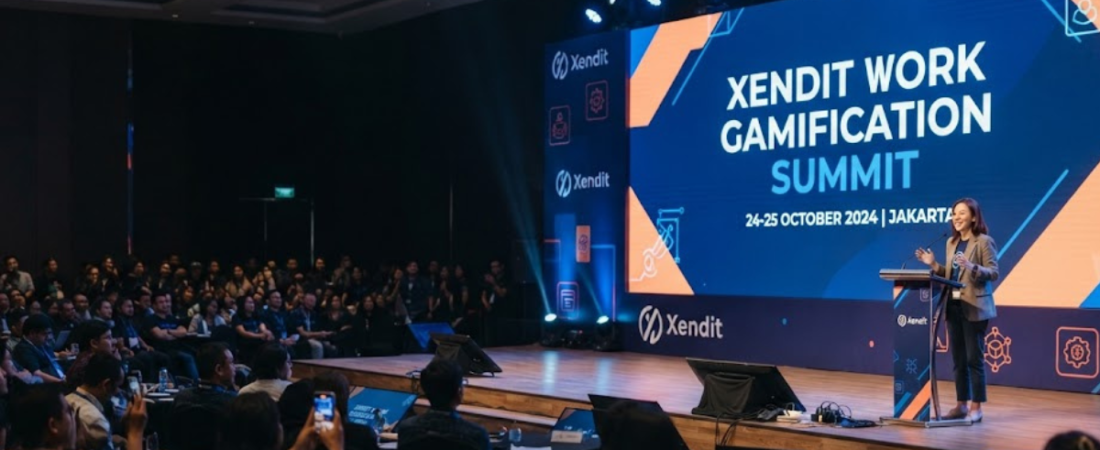
Modern workplaces are constantly evolving, and companies are looking for new ways to improve employee engagement, productivity, and collaboration. One topic that has generated interest is xendit work gamificationsummit, a search phrase often associated with workplace innovation, gamification strategies, and discussions surrounding employee experience. Whether you’re researching workplace gamification or looking to understand the connection between Xendit and GameificationSummit, this guide provides a practical overview of the topic.
At the time of writing, there is limited publicly verified information describing a specific event or initiative named Xendit Work GameificationSummit. However, the search phrase clearly reflects growing interest in how organizations can apply gamification principles to create more engaging workplaces. This article explores those concepts while distinguishing between established workplace practices and information that has not been publicly confirmed.
What Is Xendit Work GameificationSummit?
The phrase xendit work gamificationsummit appears to combine the name of Xendit—a financial technology company—with the concept of a gamification summit or workplace event focused on employee engagement and organizational performance.
Although there is currently no widely documented public record confirming a formal event by this exact name, the combination of these terms highlights an important trend: organizations are increasingly interested in using game-inspired techniques to motivate employees, improve collaboration, and support professional development.
Understanding workplace gamification helps explain why this topic attracts attention.
Understanding Workplace Gamification
Workplace gamification refers to applying game mechanics to everyday business activities without turning work into a game.
Common elements include:
- Achievement badges
- Progress tracking
- Leaderboards
- Performance milestones
- Team challenges
- Rewards and recognition
- Learning achievements
The goal is to encourage participation while making routine tasks more engaging.
Why Companies Are Adopting Gamification
Businesses across many industries are experimenting with gamification because employee engagement directly affects organizational performance.
Potential benefits include:
- Increased motivation
- Better collaboration
- Higher productivity
- Improved onboarding
- Stronger learning outcomes
- Greater employee satisfaction
When implemented thoughtfully, gamification can reinforce positive workplace behaviors rather than simply rewarding competition.
How Gamification Supports Employee Engagement
Employee engagement depends on more than financial incentives.
Game-inspired systems often encourage employees by recognizing progress and celebrating achievements.
Examples include:
Learning Challenges
Employees earn recognition for completing:
- Training modules
- Professional certifications
- Skill assessments
- Knowledge quizzes
Team Competitions
Friendly competitions can improve cooperation while encouraging departments to work toward shared goals.
Recognition Programs
Digital badges, achievement levels, and peer recognition help employees feel appreciated for their contributions.
Potential Connections Between Xendit and Workplace Innovation
As a technology-focused organization, Xendit operates in a fast-moving environment where continuous learning, collaboration, and innovation are important.
Many technology companies explore workplace practices such as:
- Continuous learning
- Employee development
- Performance feedback
- Collaborative problem-solving
- Skills improvement
- Leadership development
Although gamificationsummit xendit work has not been publicly documented as a specific official program, these themes are commonly discussed within modern technology organizations.
Core Principles of Workplace Gamification
Successful workplace gamification focuses on motivation rather than competition alone.
Clear Objectives
Employees should understand:
- Expected outcomes
- Progress indicators
- Achievement requirements
Transparency increases participation.
Meaningful Rewards
Recognition does not always require financial incentives.
Organizations often use:
- Public recognition
- Professional development opportunities
- Certificates
- Digital achievements
- Career growth opportunities
Continuous Feedback
Frequent feedback keeps employees informed about their progress while encouraging improvement.
Benefits of Gamification in Modern Organizations
Companies implementing well-designed gamification systems may experience several advantages.
Increased Productivity
Employees often become more engaged when progress is visible and measurable.
Better Learning
Interactive learning experiences improve knowledge retention compared to passive training methods.
Higher Collaboration
Shared objectives encourage teamwork rather than isolated performance.
Stronger Employee Retention
Recognition and career development contribute to long-term job satisfaction.
Challenges of Workplace Gamification
Gamification is not automatically successful.
Organizations should avoid common mistakes such as:
- Rewarding quantity over quality
- Creating unhealthy competition
- Ignoring intrinsic motivation
- Using confusing scoring systems
- Focusing only on short-term engagement
The most effective systems balance measurable achievements with meaningful work experiences.
Best Practices for Implementing Gamification
Businesses considering workplace gamification should follow several guiding principles.
Focus on Purpose
Every challenge or reward should support genuine business objectives.
Encourage Collaboration
Design activities that strengthen teamwork instead of encouraging unnecessary rivalry.
Measure Results
Evaluate success using meaningful performance indicators rather than participation alone.
Collect Employee Feedback
Employees should have opportunities to suggest improvements to the gamification system.
Technologies That Support Workplace Gamification
Modern organizations often use digital tools to manage employee engagement.
Examples include:
- Learning management systems
- Employee recognition platforms
- Performance dashboards
- Goal-tracking software
- Team collaboration platforms
- Internal communication tools
These technologies help organizations monitor participation and celebrate achievements more effectively.
Future Trends in Workplace Gamification
Workplace engagement continues to evolve alongside technology.
Emerging trends include:
- AI-powered learning recommendations
- Personalized employee development paths
- Real-time performance insights
- Interactive training simulations
- Collaborative digital challenges
- Data-driven employee recognition
As organizations continue investing in employee experience, gamification will likely become more personalized and measurable.
Frequently Asked Questions
What is Xendit Work GameificationSummit?
The phrase xendit work gamificationsummit appears to relate to workplace gamification and employee engagement. At the time of writing, there is limited publicly verified information confirming an official event or initiative with this exact name.
What is workplace gamification?
Workplace gamification involves applying game-inspired mechanics—such as achievements, progress tracking, challenges, and recognition—to improve motivation, learning, and collaboration.
Does gamification improve employee productivity?
When implemented thoughtfully, gamification can increase engagement, encourage continuous learning, and support productivity by making progress more visible and rewarding.
Is workplace gamification only for technology companies?
No. Organizations across healthcare, education, retail, finance, manufacturing, and many other industries use gamification to improve employee engagement and training.
What are the biggest benefits of gamification?
Common benefits include stronger employee motivation, better teamwork, improved learning outcomes, increased participation, and enhanced recognition.
What should businesses consider before implementing gamification?
Organizations should establish clear goals, encourage collaboration, measure meaningful outcomes, and regularly gather employee feedback to ensure the system supports both business objectives and employee well-being.
Conclusion
Interest in xendit work gamificationsummit, gamificationsummit xendit work, xendit gamificationsummit work, and gamificationsummit work xendit reflects the growing importance of employee engagement and workplace innovation. While there is currently no publicly confirmed information describing an official initiative with this exact title, the underlying concepts align closely with modern organizational trends centered on gamification, learning, collaboration, and performance improvement.
For businesses exploring workplace gamification, success depends on thoughtful design, meaningful recognition, and a strong focus on employee development rather than competition alone. By combining technology with human-centered management practices, organizations can create more engaging environments that support both individual growth and long-term business success.